
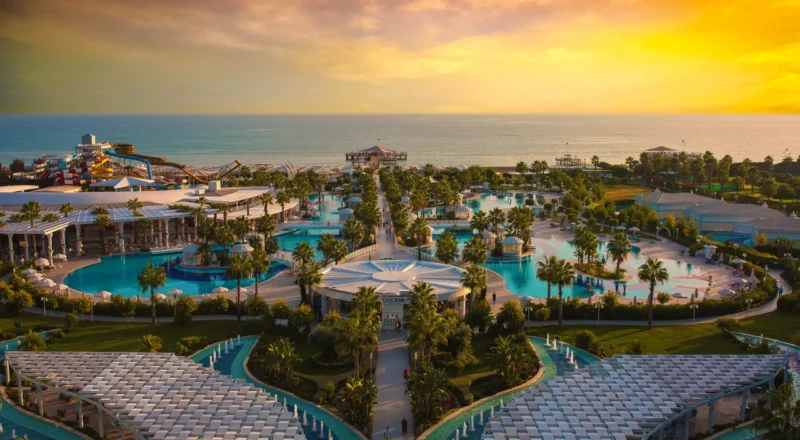
Turkey’s diverse geography and Mediterranean climate create distinct seasonal patterns that significantly influence golf conditions throughout the year. The country’s golf courses are distributed across regions with varying weather characteristics, from coastal areas to inland plateaus. Golfers planning to visit Turkey must consider temperature fluctuations, rainfall patterns, and course accessibility when determining their playing schedule. Environmental factors directly impact playability, course maintenance, and overall experience on the fairways. The timing of a golf trip to Turkey involves understanding how seasonal transitions affect both course conditions and comfort levels for players. Different regions within the country experience weather variations that create optimal windows for golf activities. Course conditions, player comfort, and practical considerations align at specific periods throughout the annual calendar. Temperature ranges, precipitation levels, and humidity variations present distinct advantages during particular months. Understanding when these conditions align favorably enables golfers to plan their visits strategically. The relationship between Turkey’s seasonal climate and golf course conditions establishes clear preferences for timing decisions. Regional differences further influence which periods provide superior playing conditions across the country’s various golf destinations.
Is Turkey a Good Destination for Golf?
Turkey has firmly established itself as a premier destination for golf, particularly within the Belek region of Antalya. An evaluation of its offerings reveals several key strengths that contribute to its standing in the international golf community, making it a highly considered choice for planning Turkey golf holidays. The combination of championship-level courses and comprehensive resort infrastructure provides a compelling package for enthusiasts.
Several factors underscore the affirmative answer to the question, is Turkey good for golfing.
- Quality of Golf Courses: The country features world-class championship courses designed by celebrated architects like Sir Nick Faldo and Colin Montgomerie. Courses such as Carya Golf Club and Montgomerie Maxx Royal are known for their meticulous maintenance and challenging layouts, with some offering unique features like floodlit nighttime play.
- Golfing Infrastructure: A robust infrastructure is centered around luxury all-inclusive resorts, most of which are located in Belek. This model provides seamless integration of accommodation and golf, supported by modern club facilities, PGA-certified instruction, and convenient access from Antalya International Airport.
- Package Availability: There is a wide availability of all-inclusive golf holiday packages. These comprehensive offerings, which typically cover accommodation, meals, green fees, and transfers, cater to a range of preferences from luxury to more budget-conscious options.
The value proposition is a significant component of Turkey’s appeal as a golf destination. The table below outlines a comparison of elements typically found across different package tiers, reflecting the country’s ability to cater to diverse financial plans.
| Value Proposition Element | Luxury All-Inclusive Packages | Budget-Friendly Options |
|---|---|---|
| Course Access | Rounds at premier championship courses | Access to high-quality, well-maintained courses |
| Typical Inclusions | 5-star accommodation, all meals, transfers | Comprehensive packages with standard amenities |
| Overall Value | Premium experience with extensive services | Excellent value for a complete golf trip |
When Should You Play Golf in Turkey? A Seasonal Weather and Course Guide
Determining the best time to play golf in Turkey involves a careful review of seasonal weather patterns, course conditions, and pricing structures. The country’s primary golf regions offer distinct characteristics throughout the year, influencing the overall playing experience.
Spring (March-May): Weather, Course Conditions, and Pricing
Spring is widely regarded as a prime period for golfing. The climate is exceptionally pleasant, and the courses are in optimal condition following winter regeneration. This season represents a peak time for golf tourism.
- Weather: Temperatures are mild and comfortable, ranging from 15°C to 25°C, creating ideal playing conditions.
- Course Conditions: Fairways are lush and green due to winter rains, with landscapes often enhanced by blooming flora.
- Maintenance: Courses are generally in excellent shape with minimal intrusive maintenance scheduled during this high-demand period.
The following table outlines the typical environmental and pricing conditions for the spring season.
| Metric | Average Condition |
|---|---|
| Temperature | 15°C – 25°C (59°F – 77°F) |
| Rainfall | Minimal |
| Sunshine Hours | High / Extended Daylight |
| Pricing | Peak Season Rates |
Summer (June-August): Weather, Course Conditions, and Pricing
Summer presents a different set of conditions, defined by significant heat. While play is still possible, it requires strategic scheduling to avoid the most intense midday temperatures.
- Weather: Conditions are very hot, with temperatures frequently exceeding 30°C (86°F), making midday rounds challenging.
- Course Conditions: Courses rely on advanced irrigation systems to maintain turf health. Some courses may undergo summer maintenance.
- Viable Play: Early morning or late afternoon tee times are recommended. Some facilities offer night golf as an alternative.
The table below summarizes the key factors for golfing during the summer months.
| Metric | Average Condition |
|---|---|
| Temperature | Above 30°C (86°F) |
| Rainfall | Very Low |
| Sunshine Hours | Maximum |
| Pricing | Off-Season Rates |
Fall (September-November): Weather, Course Conditions, and Pricing
Autumn is another peak season, offering a welcome respite from summer heat. Deciding when to golf in Turkey often leads players to this comfortable and visually appealing time of year.
- Weather: Temperatures are pleasant, cooling from 20°C to 28°C in September to more moderate levels by November.
- Course Conditions: The turf remains lush following summer upkeep, providing excellent playability before winter.
- Maintenance: This is a key period for overseeding, which can result in temporary course closures or buggy restrictions.
The environmental and pricing data for the fall season are detailed in the following table.
| Metric | Average Condition |
|---|---|
| Temperature | 15°C – 28°C (59°F – 82°F) |
| Rainfall | Low to Moderate |
| Sunshine Hours | Moderate |
| Pricing | Peak Season Rates |
Winter (December-February): Weather, Course Conditions, and Pricing
Winter offers a milder climate than most of Europe, making it a viable option for dedicated golfers. This period is characterized by fewer crowds and more accessible tee times.
- Weather: Coastal areas like Belek remain mild, with average temperatures between 8°C and 15°C. Rainfall is more frequent.
- Course Conditions: Despite higher precipitation, courses are generally well-maintained and playable, offering a peaceful experience.
- Crowds: This is the low season, resulting in less competition for tee times and a more relaxed atmosphere on the course.
The table below provides an overview of winter golfing conditions and associated costs.
| Metric | Average Condition |
|---|---|
| Temperature | 8°C – 15°C (46°F – 59°F) |
| Rainfall | Highest of the Year |
| Sunshine Hours | Lower |
| Pricing | Off-Season Rates |
Regional Differences: Belek/Antalya, Aegean Coast, and Istanbul
Turkey’s diverse geography creates distinct microclimates that affect the best time to golf in Turkey depending on the chosen destination. The Mediterranean coast offers nearly year-round play, while other regions have more defined optimal seasons.
- Belek/Antalya: Features a classic Mediterranean climate with hot, dry summers and very mild winters, making it the premier year-round golf hub.
- Aegean Coast: Similar to the Mediterranean but with significant winter rainfall. Spring and fall are the most favorable seasons.
- Istanbul: Experiences a transitional climate with colder, rainier winters and warm summers, making spring and fall the ideal periods for golf.
The following table compares the general conditions across these primary golf regions.
| Region | Primary Seasons | Climate Characteristics |
|---|---|---|
| Belek/Antalya | Spring, Fall, Winter | Mild winters, hot summers |
| Aegean Coast | Spring, Fall | Significant winter rainfall |
| Istanbul | Spring, Fall | Cooler winters, warm summers |
When is the Off-Season for Golf in Turkey and What Are the Benefits?
The established off-season for golf in Turkey is divided into two distinct periods, each with its own specific climatic conditions. These non-peak times present a different set of circumstances for golfers compared to the high season. Understanding these periods is essential for evaluating a potential golf holiday. The primary off-peak windows are generally recognized as the winter and the peak summer months.
The specific months and their typical weather patterns during Turkey’s low golf season include:
- Winter Off-Season (December – March): This period is characterized by milder weather than in Northern Europe. In key golf regions like Belek, temperatures typically range from 10°C to 20°C. While conditions can be chilly and include some rain, southern areas like Antalya still benefit from significant sunshine.
- Summer Off-Season (July – August): These months are defined by high heat, with temperatures regularly exceeding 30°C. The intensity of the midday sun makes early morning or late evening tee times a more practical option for play during this time.
These off-peak periods offer a unique balance of advantages and potential drawbacks for players. The following table outlines the key considerations for golfing in Turkey during the low season, covering aspects from cost-effectiveness to course conditions.
Advantages and Drawbacks of Off-Season Golf in Turkey
| Aspect | Advantages | Potential Drawbacks |
|---|---|---|
| Cost & Availability | Lower prices on flights, accommodations, and green fees provide access to championship courses at reduced rates. | While major resorts maintain high standards, service availability could vary elsewhere. |
| Course Accessibility | Courses are significantly less crowded, resulting in a more relaxed pace of play and reduced waiting times. | Essential course maintenance, such as “overseeding” in late summer/autumn, can lead to temporary closures or restrictions. |
| Playing Conditions | Southern regions still offer many sunny days, making winter golf a viable option. | Summer heat can be challenging, while winter months may bring cooler, wetter weather. |
Planning Your Golf Trip: How to Choose the Right Time Based on Your Preferences?
Selecting the optimal period for a golf holiday requires systematic evaluation of personal priorities against seasonal characteristics. The decision-making process begins with identifying individual requirements and aligning them with available options.
- Define Budget Parameters and Seasonal Pricing Patterns
- Peak season rates typically reflect premium course conditions and favourable weather
- Shoulder periods often deliver substantial cost reductions while maintaining playability standards
- Green fees, accommodation rates and transfer costs fluctuate significantly throughout the calendar year
- Assess Climate Tolerance and Weather Expectations
- Temperature preferences directly influence comfort levels during extended rounds
- Wind patterns and precipitation frequency affect course difficulty and enjoyment
- Daylight hours determine tee time availability and post-round activity schedules
- Evaluate Course Condition Priorities
- Fairway firmness and green speed vary according to maintenance schedules and rainfall
- Turf recovery periods following overseeding temporarily impact playing surfaces
- Irrigation regimes respond to seasonal temperature variations and humidity levels
The correlation between these factors determines satisfaction levels during any golf-focused journey. Budget-conscious travellers benefit from researching historical rate fluctuations and identifying periods offering competitive pricing without compromising playability. Weather sensitivity requires careful examination of monthly climate data, including average temperatures, wind speeds and precipitation records.
- Consider Ancillary Activities and Regional Attractions
- Cultural site accessibility and operating hours change seasonally
- Dining venue availability and entertainment options reflect tourist calendar cycles
- Spa facilities, beach access and recreational alternatives complement golf schedules
- Review Tournament Calendars and Course Availability
- Professional events and member competitions restrict public tee time allocation
- Corporate bookings during business travel peaks reduce flexibility
- Advance reservation requirements intensify during high-demand windows
Strategic planning integrates these elements to create a tailored itinerary matching specific expectations. Golfers prioritising pristine course conditions accept premium pricing during optimal growing seasons. Those seeking value opportunities identify transitional periods delivering acceptable playing standards at reduced investment levels. Personal preference hierarchies ultimately guide timing decisions across all destination considerations. For instance, belek golf courses antalya turkey offer exceptional experiences, making them the best time to play golf in turkey. These courses are renowned for their world-class facilities and stunning landscapes, attracting golf enthusiasts from around the globe.
Beyond the Green: What Else Can You Do in Turkey During the Best Golf Seasons?
Turkey presents a wealth of experiences that extend well beyond its acclaimed golf courses, particularly during the prime spring and autumn seasons. The mild climate during these periods is ideal for integrating cultural, historical, and recreational activities into a golf holiday. This variety ensures a comprehensive travel experience for both golfers and their companions.
It is widely understood that a fulfilling golf trip combines sport with local discovery. Turkey’s golf regions, especially Belek, are strategically located near significant attractions. This proximity allows for a seamless blend of leisure and exploration. Visitors can enrich their stay with a range of engaging off-course activities.
- Historical and Cultural Excursions: The Antalya province provides access to ancient Roman cities like Perge and Aspendos. Day trips to the UNESCO World Heritage site of Pamukkale are also feasible. In Istanbul, iconic landmarks such as the Hagia Sophia and Topkapi Palace await, alongside vibrant cultural experiences like the Grand Bazaar.
- Culinary Experiences: Turkish cuisine offers a diverse and flavorful journey. In Belek, fine dining restaurants coexist with local bazaars. Many golf resorts feature a variety of culinary options, including traditional Turkish dishes and international cuisines. For culinary enthusiasts, a visit to Gaziantep, a city renowned for its food, is highly recommended.
- Leisure and Wellness Activities: The Mediterranean coastline features pristine beaches for relaxation and water sports. Luxury spa and wellness centers, including traditional Turkish baths (hamams), offer rejuvenation. Nature-focused activities include hiking portions of the Lycian Way, river rafting in Köprülü Canyon, and paragliding in Ölüdeniz.
These diverse opportunities allow travelers to customize their itinerary, creating a memorable and multifaceted holiday that complements the world-class golfing. The combination of sport, history, and leisure solidifies Turkey’s position as a premier destination.