
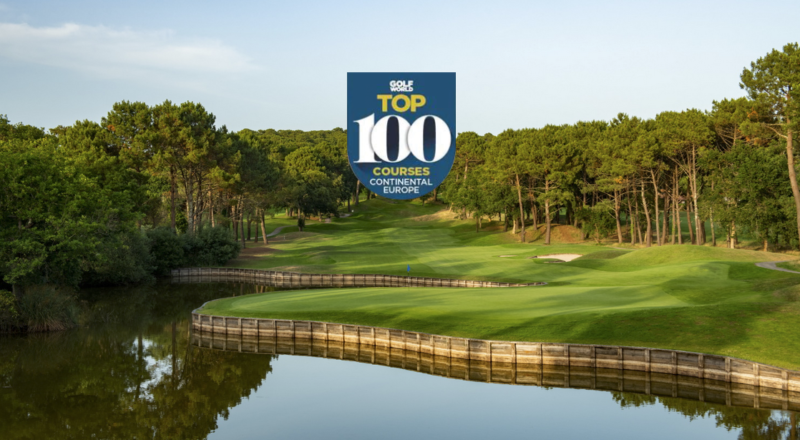
Golf’s most prestigious courses represent pinnacles of design excellence and sporting tradition across continents. From meticulously manicured fairways nestled in Scottish highlands to championship layouts carved through desert landscapes, these destinations embody decades of architectural innovation and refinement. Elite golf courses worldwide vary considerably in accessibility, membership exclusivity, and historical significance. Some rank among the most exclusive private clubs globally, while others welcome accomplished players seeking world-class experiences. The distinction between venues extends beyond aesthetic appeal, encompassing course conditioning standards, competitive hosting records, and strategic design elements that challenge professional and amateur golfers alike. Industry experts and experienced travelers consistently identify certain courses as paramount in global rankings, though evaluations diverge based on evaluation criteria including playability, condition maintenance, historical importance, and regional representation. Understanding how different ranking systems assess these venues reveals meaningful distinctions between architectural philosophy, geographical diversity, and accessibility across the sport’s finest destinations. Examining authoritative compilations of elite golf courses provides substantive insights into what distinguishes premier playing environments from conventional facilities throughout established and emerging golfing regions worldwide.
Which Golf Courses Make the World’s Best Rankings?
The world’s most prestigious golf destinations are consistently identified through authoritative global ranking systems. These evaluations, curated by industry experts, highlight both exclusive private clubs and accessible high-end courses, providing a comprehensive overview of architectural excellence. The best golf courses in the world, ranked annually, set the standard for quality and design.
2026-2027 Platinum Clubs Top 10 Elite Golf Courses
The 2026-2027 Platinum Clubs of the World rankings identify the most exclusive golf venues based on meticulous assessments. This list reflects the pinnacle of the private club experience. The greatest golf courses in the world often feature on this esteemed list.
- The Royal and Ancient Golf Club of St Andrews: Located in Scotland, this historic club achieved the top spot for the first time in this ranking’s history.
- Augusta National Golf Club: This private club in Georgia, USA, is renowned for hosting The Masters Tournament.
- Golf de Morfontaine: A highly exclusive course in France, celebrated for its classic design and pristine condition.
- Congressional Country Club: Situated in Maryland, USA, this private club is a frequent host of major championships.
- Baltusrol Golf Club: A private, 36-hole facility in New Jersey, USA, with a rich history of championship golf.
- The Royal Melbourne Golf Club: Australia’s premier private club, featuring a composite course designed by Alister MacKenzie.
- Ocean Reef Club: A private member-owned community in Florida, USA, known for its extensive amenities and courses.
- Shinnecock Hills Golf Club: One of America’s oldest private clubs, located in New York and designed in a links style.
- Pine Valley Golf Club: This intensely private New Jersey course is consistently cited as one of the best world golf courses.
- Sunningdale Golf Club: An exclusive private club in England, offering two classic heathland courses.
Top 100 Courses in the World 2025-26
GOLF.com provides another essential perspective with its top 100 golf courses in the world list, compiled by a large international panel. The following table showcases selected venues from the 2025-26 edition, highlighting their diverse attributes. This list is a key reference for the best golf courses worldwide.
| Course Name | Country | Ranking | Type | Notable Attributes |
|---|---|---|---|---|
| Pine Valley | USA | 1st | Private | Strategic design, penal architecture |
| Cypress Point | USA | 2nd | Private | Dramatic coastal holes |
| Riviera | USA | Not specified | Private | Classic George C. Thomas design |
| Ballybunion (Old) | Ireland | Not specified | Private | Natural links, towering dunes |
| Royal St. George’s | England | Not specified | Private | Major championship history |
Exclusive Private Clubs vs Accessible High-End Courses
The world of elite golf is divided between highly exclusive venues and publicly accessible premier courses. The following table illustrates the key differences between these two categories.
| Feature | Exclusive Private Clubs | Accessible High-End Courses |
|---|---|---|
| Access | Invitation-only membership | Public, resort guest, or visitor tee times |
| Examples | Augusta National, Pine Valley | The Old Course, Chambers Bay |
| Experience | Highly private, impeccable standards | Broader access, often championship quality |
| Prestige | Represents the pinnacle of exclusivity | Iconic status, often “must-play” destinations |
Both categories offer unique advantages and limitations for golfers seeking world-class experiences.
- Exclusive Private Clubs: Offer unparalleled privacy and consistently perfect conditions. However, access is extremely limited, often requiring a member invitation.
- Accessible High-End Courses: Provide the opportunity for the general public to play a top-tier layout. They may experience higher traffic and variable conditions compared to private counterparts.
Architectural Excellence by Renowned Designers
The design philosophy of a course’s architect is fundamental to its ranking and reputation. Certain designers are celebrated for their contributions to creating the top 100 golf courses 2026 and beyond, with their work defining strategic and aesthetic excellence.
- Alister MacKenzie: His legacy includes masterpieces like Cypress Point Club and the West Course at Royal Melbourne, known for their strategic options and natural beauty.
- Pete Dye: Renowned for his challenging and visually distinctive designs, such as Teeth of the Dog, which emphasizes strategic intent and bold features.
- Old Tom Morris: A foundational figure in golf architecture, his original design at Royal County Down has been refined over a century to remain a world-class test.
Mapping the World’s Best Golf: Where Are the Top 100 Courses Located?
| Continent | Country/Region | Notable Courses |
|---|---|---|
| North America | United States | Augusta National, Pine Valley, Oakmont, Sand Hills |
| Canada | Cabot Cliffs | |
| Europe | Scotland | The Old Course, Muirfield, Royal Dornoch |
| Northern Ireland | Royal County Down, Royal Portrush | |
| England | Royal Birkdale, Sunningdale | |
| Ireland | Ballybunion, Lahinch, St. Patrick’s Links | |
| France | Morfontaine Golf Club | |
| Oceania | Australia | Royal Melbourne, Kingston Heath, Barnbougle Dunes |
| New Zealand | Tara Iti Golf Club | |
| Asia | Japan | Hirono Golf Club |
| China | Shanqin Bay Golf Club | |
| South Korea | The Club at Nine Bridges | |
| Caribbean | Dominican Republic | Punta Espada Golf Club |
| Africa | South Africa | Leopard Creek Country Club |
The geographical distribution of elite golf courses reveals distinct concentrations in specific regions, a pattern shaped by historical development and ideal natural terrains. A visual top 100 golf courses map would clearly illustrate that the majority of these premier venues are situated within a few key countries.
United States Dominance in Global Golf Rankings
Analysis of global rankings shows a significant concentration of top-tier courses in the English-speaking world. The United States holds the leading position, housing nearly half of the world’s most acclaimed courses.
| Region/Country | Number of Top 100 Courses |
|---|---|
| United States | 48 |
| United Kingdom | 25 |
| Ireland | 6 |
| Australia | 6 |
| Continental Europe | 5 |
Key Regional Clusters: Scotland’s Links Heritage and Melbourne’s Sandbelt
Beyond national counts, the world’s finest courses are often found in specific geographical clusters. These areas have become globally recognized as premier destinations for golf architecture and play.
- Scotland: As the birthplace of golf, it features 13 top-ranked courses, with a high density of historic links layouts.
- United States: Notable concentrations exist in New York state, along California’s coast, and throughout New Jersey.
- Australia: The Melbourne “Sandbelt” is a world-renowned region containing several elite courses on its unique sandy soil.
- Ireland: The country’s dramatic Atlantic coastline is home to a significant cluster of world-class links courses.
Continental Europe’s Premier Golf Hub: Antalya, Belek
While Continental Europe has fewer courses in the top 100, it features significant regional hubs, most notably the Belek region in Antalya, Turkey. This area has established itself as a world-class golf destination through a concentration of high-quality, architecturally significant courses. Venues such as Carya Golf Club, Cornelia Golf Club, and The Montgomerie Maxx Royal exemplify the championship-level standards that attract golfers globally, positioning Antalya as a key cluster for luxury golf tourism in the Mediterranean and a noteworthy presence in discussions of European golf excellence.
Emerging Golf Destinations Gaining Recognition
Global golf is expanding, with several new regions earning acclaim for their high-quality course developments and unique landscapes. These emerging destinations are increasingly featured in international rankings.
- Vietnam: Rapidly developing with a strong focus on golf tourism and stunning coastal settings.
- Mauritius: Known for its luxury resort courses integrated into a tropical paradise.
- Bulgaria: Offering affordable luxury with dramatic cliffside courses along the Black Sea coast.
- Other Rising Locales: Destinations like Oman, Estonia, Cambodia, and Greece are also gaining international recognition.
Legendary Courses Every Golfer Should Know
The world of golf features extraordinary venues that have shaped the sport’s history and continue to inspire generations of players and architects alike.
St Andrews Links (Old Course)
St Andrews Links represents the spiritual home of golf, embodying centuries of tradition and championship excellence. Located in Fife, Scotland, this ancient links layout has witnessed the evolution of golf from its earliest origins to the modern era.
- Established in the early 15th century, making it one of the oldest golf courses in continuous use
- Hosted 30 Open Championships since 1873, producing memorable moments in major tournament history
- Features iconic landmarks including the Swilcan Bridge, Hell Bunker, and the Road Hole
- Maintains a unique double-green system with seven shared putting surfaces
- Operates as a public course, allowing golfers worldwide to experience this hallowed ground
- Demonstrates natural duneland architecture with minimal artificial shaping
The Old Course’s layout follows the land’s natural contours, creating strategic challenges through wind exposure, hidden hazards, and undulating terrain that rewards thoughtful course management.
Augusta National Golf Club
Augusta National Golf Club stands as one of the most recognizable venues in professional golf, renowned for its immaculate conditioning and strategic design. This Georgia masterpiece showcases the collaborative vision of Bobby Jones and Alister MacKenzie.
- Founded in 1933 on a former indigo plantation and nursery
- Hosts The Masters Tournament annually each April, golf’s most prestigious invitational event
- Features azalea-lined fairways, lightning-fast bentgrass greens, and dramatic elevation changes
- Implements continuous refinement with periodic architectural modifications to maintain championship standards
- Presents iconic holes including Amen Corner (holes 11-13) and the par-3 12th
- Maintains exclusive membership while broadcasting The Masters to global audiences
The course’s strategic bunkering, water hazards, and contoured greens demand precision shotmaking whilst rewarding aggressive play during specific tournament conditions.
Pebble Beach Golf Links
Pebble Beach Golf Links occupies dramatic clifftop terrain along California’s Monterey Peninsula, combining breathtaking Pacific Ocean vistas with championship-calibre golf. This famous golf course delivers an unparalleled combination of natural beauty and architectural excellence.
- Opened in 1919 with design contributions from Jack Neville and Douglas Grant
- Hosted six U.S. Open Championships, including memorable victories by Jack Nicklaus and Tiger Woods
- Showcases stunning oceanside holes from the 4th through 10th, particularly the iconic par-3 7th
- Operates as a public resort course, accessible to travelling golfers year-round
- Features narrow fairways, small greens, and coastal weather conditions that test every aspect of the game
The layout’s dramatic finishing stretch along Carmel Bay creates decisive moments in championship competition through strategic risk-reward decisions.
Royal Melbourne Golf Club (West Course)
Royal Melbourne’s West Course demonstrates the pinnacle of Australian golf architecture through Alister MacKenzie’s brilliant use of sandbelt terrain. This Melbourne layout exhibits strategic brilliance through minimalist design principles and natural landforms.
- Designed by MacKenzie in 1926 with assistance from club professional Alex Russell
- Hosted the 1959 Canada Cup (now World Cup of Golf) and Presidents Cup matches
- Features dramatic bunkering, firm playing surfaces, and strategic width that rewards thoughtful positioning
- Presents year-round playability through excellent drainage and conditioning standards
Pine Valley Golf Club
Pine Valley Golf Club embodies architectural purity through George Crump’s uncompromising design philosophy in the New Jersey Pine Barrens. This intensely private venue challenges conventional course design through dramatic all-or-nothing shotmaking demands.
- Constructed between 1913-1918 with consultation from Harry Coltrane
- Requires forced carries over sandy waste areas on nearly every hole
- Eliminates transitional rough, presenting sharp contrasts between manicured surfaces and natural hazards
- Influences modern minimalist architecture through strategic simplicity and penal design elements
Shinnecock Hills Golf Club
Shinnecock Hills Golf Club exemplifies American links-style architecture on Long Island windswept terrain. Founded in 1891, this Southampton layout blends Scottish design principles with distinctive American characteristics through native fescue grasses and rolling landforms.
- Hosted five U.S. Open Championships with firm, fast playing conditions
- Features Willie Dunn’s original routing modified by subsequent architects including William Flynn
- Presents minimal tree coverage, allowing wind to significantly influence play
- Demonstrates architectural restraint through strategic bunkering and natural contours
Muirfield
Muirfield maintains distinguished status among famous golf courses through its fair yet demanding championship test in East Lothian, Scotland. The Honourable Company of Edinburgh Golfers has occupied this links since 1891, establishing enduring traditions.
- Hosted 16 Open Championships, producing diverse champions across different eras
- Employs unique routing with two concentric loops creating varied wind angles
- Features strategically positioned bunkers that punish wayward shots without excessive penal characteristics
- Demonstrates classic links characteristics through firm turf, pot bunkers, and natural vegetation
How Are the Top 100 Golf Courses in World Actually Selected and Ranked?
The methodology behind global golf course rankings involves multiple organizations employing distinct evaluation systems and expert panels. These rankings emerge from systematic assessment processes rather than subjective popularity contests.
Major Ranking Organizations and Publications
Several authoritative bodies maintain recognized lists of the world’s finest golf courses:
- Golf Digest publishes biennial rankings through a panel of approximately 2,000 evaluators across multiple categories
- Golf Magazine (formerly Golf Magazine Top 100) operates independently with a separate network of course raters
- Golf World (UK publication) focuses on European and international course assessments with regional expertise
- PGA Magazine maintains rankings weighted toward playability and professional tournament standards
- Top100GolfCourses.com aggregates data from global panelists representing diverse geographical regions
Key Selection Criteria and Evaluation Factors
Course evaluations incorporate multiple technical and aesthetic dimensions:
- Shot values assess strategic options, risk-reward scenarios, and demand for different shot types across all holes
- Design variety examines hole routing, directional changes, elevation shifts, and unique architectural features
- Resistance to scoring measures how effectively layout defends par against skilled players without artificial difficulty
- Conditioning standards evaluate turf quality, green speeds, bunker maintenance, and overall presentation
- Aesthetic character considers natural beauty, landscape integration, and visual memorability of individual holes
- Historical significance accounts for architectural pedigree, tournament heritage, and cultural impact on the sport
- Ambiance captures intangible qualities including setting, atmosphere, and overall playing experience
Panelists, Raters, and Scoring Processes
Ranking organizations recruit experienced golfers who possess extensive course knowledge and architectural understanding. These panelists typically include low-handicap amateurs, golf industry professionals, architects, and journalists who have played hundreds of championship venues. Selection processes prioritize geographical diversity to ensure comprehensive global coverage.
Different organizations implement varied scoring methodologies:
- Numerical scoring systems assign points across predetermined categories with weighted importance factors
- Comparative ranking requires raters to position courses against others in their evaluated portfolio
- Standardized scorecards provide uniform assessment frameworks with specific question sets addressing design elements
- Minimum play requirements mandate that raters experience courses multiple times before submitting evaluations
Why Rankings Differ Across Publications
Discrepancies between published lists stem from fundamental differences in evaluation philosophy and panel composition. Organizations weight criteria differently—some prioritize architectural merit whilst others emphasize playability or tournament readiness. Panel size variations create statistical differences, as larger rater pools potentially offer broader consensus whilst smaller expert groups may reflect deeper specialization. Geographic distribution of panelists influences rankings when regional familiarity affects access and repeat play opportunities. Temporal factors also contribute to variance, as course conditioning fluctuates seasonally and renovation projects alter playing characteristics between assessment cycles. Furthermore, some publications restrict eligibility based on access policies or exclude courses undergoing significant alterations. This is particularly relevant when comparing best belek golf courses with broader rankings such as the top 100 golf courses in world, where differing selection criteria and regional representation can amplify these discrepancies. As a result, readers must interpret such rankings with an understanding of their methodological limitations and the specific context in which each list is compiled.
What Makes Links Courses Dominate the Top 100 Golf Courses in World Rankings?
Links golf represents the purest form of the game, shaped by centuries of evolution on coastal landscapes. The dominance of these courses in global rankings reflects their historical authenticity, strategic complexity, and natural design philosophy.
Defining Features of Authentic Links Golf
True links courses share distinctive characteristics that separate them from inland layouts:
- Coastal linksland location on sandy soil deposited by receding seas, providing natural drainage and firm playing surfaces
- Undulating terrain formed by wind and time rather than earthmoving equipment, creating unpredictable lies and ground contours
- Firm, fast-running turf that demands bump-and-run approach shots and rewards creative shot-making
- Deep pot bunkers with steep revetted faces that severely penalise errant shots
- Minimal tree coverage, exposing the course to prevailing winds that constantly alter playing conditions
- Fescue grasses naturally adapted to coastal environments, producing tight lies and variable ball reactions
- Dune systems and natural elevation changes that dictate routing and strategic options
Why British Open Venues and Scottish/Irish Links Rank Highly
The Open Championship venues command exceptional prestige within global golf architecture circles. Courses selected to host this major championship undergo rigorous evaluation of their championship credentials, spectator infrastructure, and historical significance. The presence of Open Championship heritage directly influences panellist perceptions during ranking assessments.
Key factors elevating these venues include:
- Proven championship pedigree through hosting major competitions that test the world’s best professionals
- Architectural lineage traceable to Old Tom Morris, James Braid, and other pioneering designers who established links design principles
- Natural terrain that requires minimal artificial construction, preserving authentic playing characteristics
- Strategic variety across wind directions, ensuring courses play differently each round
- Cultural and historical resonance that connects modern golf to its medieval Scottish origins
Strategic Demands of Links Golf vs. Other Course Types
| Course Type | Playing Surface | Primary Defence | Shot Strategy | Environmental Factor |
|---|---|---|---|---|
| Links | Firm, fast-running | Wind, ground contours | Trajectory control, ground game | Coastal wind patterns |
| Parkland | Soft, receptive | Trees, water hazards | Aerial approach shots | Predictable conditions |
| Desert | Firm but predictable | Forced carries, waste areas | Target golf precision | Minimal weather variance |
Links golf demands comprehensive shot-making abilities rarely required on other course types. Players must master trajectory manipulation to combat wind, execute running approaches into firm greens, and navigate unpredictable bounces on undulating fairways. The requirement for creative course management rather than power-based target golf explains why links courses consistently earn recognition from architecture authorities and ranking panels worldwide. Ground game options, variable wind conditions, and strategic routing diversity create an intellectual challenge that parkland and desert courses struggle to replicate through artificial design features.
Can You Actually Play the Top 100 Golf Courses in World or Are They Private?
Gaining access to the world’s most acclaimed golf courses presents a varied landscape of exclusivity and opportunity. While many of the highest-ranked venues operate under strict private-member policies, a significant number of championship-level courses offer accessible routes for the discerning international golfer, particularly through integrated resort models.
The Exclusive Nature of Elite Private Golf Clubs
A substantial portion of globally recognized golf courses are exceptionally private, restricting play almost exclusively to members and their accompanied guests. These institutions, such as Pine Valley Golf Club and Augusta National Golf Club in the United States, maintain a high degree of privacy. Internationally, venues like Shanqin Bay in China, with fewer than 50 members worldwide, exemplify this model of extreme exclusivity. Access to such clubs is typically a function of direct invitation or personal connection, placing them beyond the reach of the general public. These clubs often require substantial initiation fees, with some reports suggesting costs can start at $1 million.
An Alternative Model: Antalya, Belek’s Resort Golf
In contrast to the restrictive private club model, the Antalya region in Belek, Turkey, presents a leading example of accessible, high-end resort golf. This destination has established a reputation for offering championship-calibre experiences to international visitors through comprehensive stay-and-play packages. Courses such as Carya Golf Club, which has hosted the European Tour, and Montgomerie Maxx Royal, designed by Colin Montgomerie, are integrated with luxury resorts. This model allows any guest staying at the affiliated property to book tee times on world-class layouts. Similarly, venues like Gloria Golf Club and Sueno Golf Club provide direct access to their acclaimed courses for resort patrons, effectively removing the barriers to entry common at private clubs. This approach demonstrates how premier golf can be made available to a global audience.
Access Through Integrated Stay-and-Play Packages
The stay-and-play model is the primary mechanism for accessing the premier courses in Belek and other similar global destinations. Golfers book packages that bundle accommodations, green fees, and often other amenities, streamlining the entire experience. This system differs fundamentally from the private club structure, as access is determined by a resort booking rather than a membership. It provides a clear and direct pathway for international travelers to play on courses that consistently host professional tournaments. This integrated approach ensures that the quality of the golf experience is matched by the convenience of access, offering a compelling alternative for those seeking to play top-tier courses without needing a private invitation.
Are the Top 100 Golf Courses in World Worth the Cost and Effort to Experience?
Playing the world’s most prestigious golf courses involves a significant financial commitment that extends well beyond the initial green fees. The total expenditure encompasses a wide range of costs, including on-course services, travel, and accommodation, requiring careful financial planning.
Green Fee Ranges and Regional Examples
Green fees for elite courses vary dramatically based on exclusivity and location. The following table illustrates the typical cost structures found across different tiers of world-renowned golf venues.
| Fee Category | Approximate Cost (USD) | Regional Examples |
|---|---|---|
| Most Affordable | $25 – $100 | Public courses in the U.S. and select venues in Europe and Asia. |
| Mid-Range | $150 – $400 | Acclaimed public and resort courses in destinations like Thailand and Portugal. |
| Ultra-Premium | $500 – $1,250+ | The most exclusive private and resort courses, such as Shadow Creek and Pebble Beach. |
In addition to the primary cost of play, golfers must account for several other mandatory and optional expenses. These ancillary costs are crucial for creating an accurate overall budget for a high-end golf experience.
Additional Costs: Caddie Fees, Cart Rentals, Travel, and Accommodation
Beyond the green fee, several other expenditures contribute to the total cost. These elements are integral to the experience at many top-tier courses and must be factored into any financial plan.
- Caddie Fees: Often mandatory at premium courses, caddie fees represent a substantial additional cost, with a caddie at Pebble Beach costing $155.
- Cart Rentals: Daily golf cart rentals for 2026 typically range from $50 to $150, although this may be included in some green fees.
- Travel Expenses: Airfare, car rentals, and local transportation constitute a significant portion of the overall budget for international or domestic golf trips.
- Accommodation Packages: Many premier courses are part of luxury resorts offering “stay & play” packages, with some requiring a mandatory hotel stay to secure a tee time.
Budget Planning for Multi-Course Golf Trips
Strategic planning is essential to manage the expenses associated with visiting multiple top-ranked courses. Effective budgeting can help mitigate costs while ensuring a comprehensive and enjoyable trip.
- Overall Trip Budget: A 3-4 day golf trip in the U.S. can range from $600 to over $3,500 per person, depending on the level of luxury.
- Cost-Saving Strategies: Traveling during shoulder seasons often provides access to lower green fees and hotel rates.
- Balancing the Itinerary: Mixing rounds at high-profile “trophy” courses with more affordable local gems helps manage the total expenditure.
- Group Discounts: Sharing accommodation and transportation costs among a group can lead to significant savings for each individual.
Elite golf destinations deliver unparalleled experiences combining architectural excellence, historical significance, and meticulous maintenance standards. The worthiness of such pursuits ultimately correlates with individual financial flexibility, genuine passion for course design appreciation, and realistic assessment of one’s ability to execute shots demanded by championship layouts. Serious golf enthusiasts with adequate resources and developed architectural understanding consistently report profound satisfaction from these experiences, whilst recreational players often find exceptional value in high-quality regional alternatives requiring substantially reduced investment.